Some 27,000 people have raised serious concerns that the Fast Track Approvals Bill is anti-nature, undemocratic and unconstitutional. These include former Ministers for the Environment, Eugenie Sage, Marian Hobbs and Simon Upton from across the political spectrum, and the Auditor General. Together with the wholesale legislative repeals and amendments, including the Resource Management Act and the Crown Minerals Act, and axing of thousands of public sector jobs, the Bill could lead to far-reaching social, environmental and economic harm.
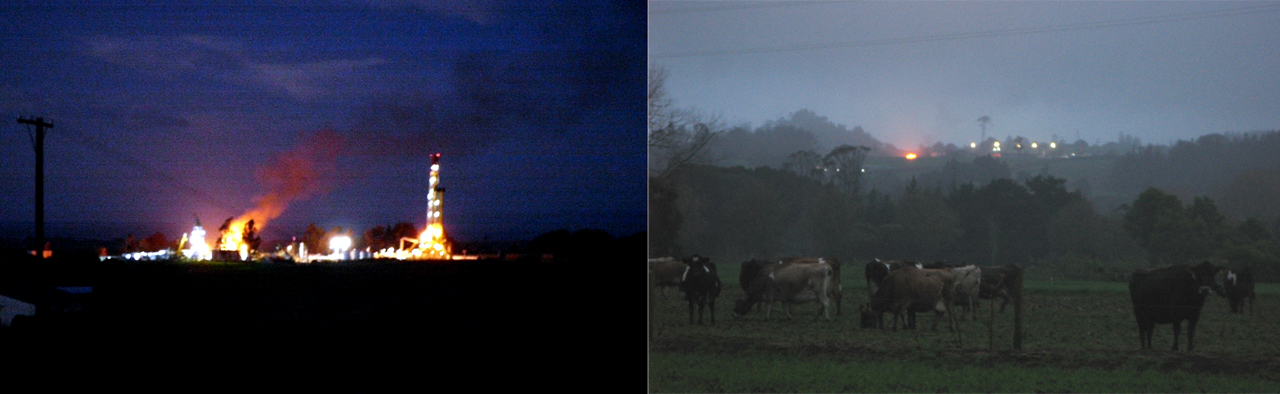
Our energy transition is being hijacked by a government in thrall of polluting vested interests. Fossil fuels and mineral mining are eligible for fast-tracking in the Bill, avoiding environmental and public scrutiny. While the fossil fuel industry has been a big player in Taranaki’s economy, it has come with real costs. Oil and gas wells, typically on farms, are drilled and fracked multiple times year on year. Flaring of ‘waste’ gas pumps out harmful pollutants and greenhouse gases. Drilling wastes are spread on euphemistically named ‘landfarms’, contaminating soil and water. In 2013, Fonterra refused to take milk from new landfarms. Taranaki’s landfarms are now either full or nearly full. Where will the additional wastes end up, if new exploration and drilling on- and offshore are fast-tracked?
Our moana and its inhabitants are already under tremendous pressure from existing drilling and contaminant discharges, commercial fishing, maritime traffic, and with looming threats of seabed mining and massive offshore windfarms, potentially fast-tracked.
Local hapū, iwi, Kiwis Against Seabed Mining and numerous others fought the Trans-Tasman Resources (TTR) application from day one, winning all the way to the Supreme Court. Not mentioned in public hearings, TTR has applied for an extension area that would more than double the 65.7sq.km. of mining area considered by the Environmental Protection Authority. TTR also wants to renew an expired exploration permit adjacent to the mining permit, into our Marine Mammal Sanctuary and on top of nursery reefs of the Pātea Shoals. This exploration area is almost ten times bigger. With so much at stake, granting TTR a Fast Track Approval would destroy any trust in the legal system and engender community backlash across the motu.
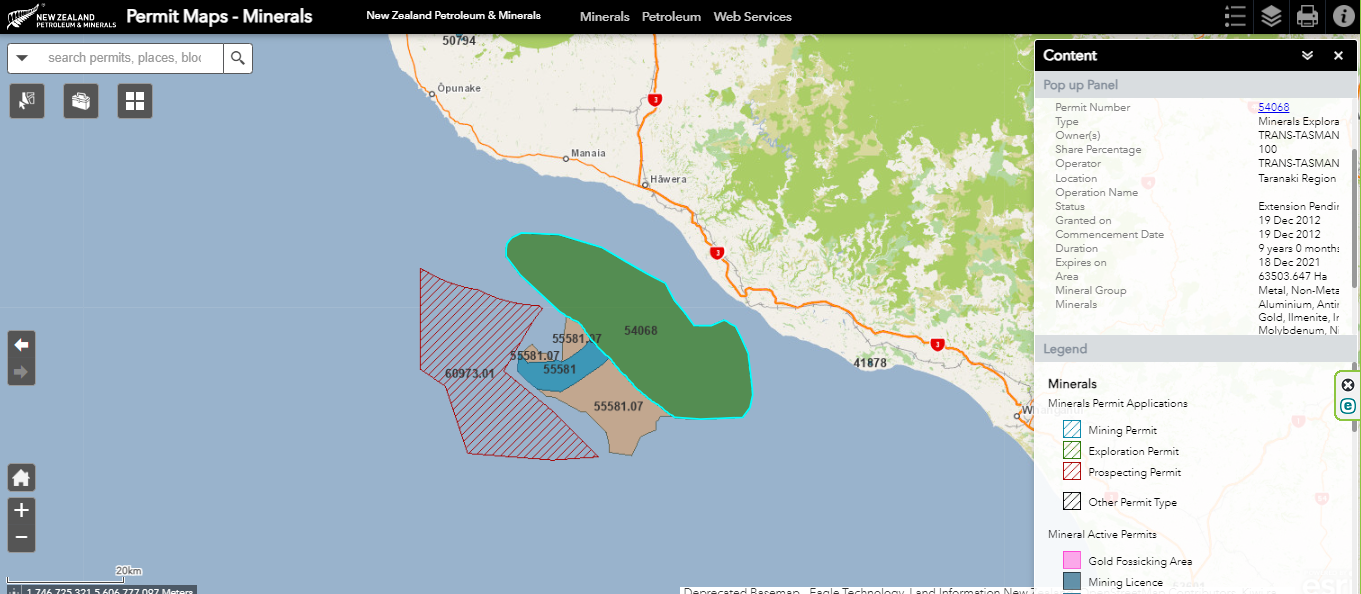
The South Taranaki Bight is being treated as an industrial zone and a money spinner. Six companies want to make big bucks from our world-class wind. We have even been dubbed “Saudi Arabia of Wind”!
I get this question a lot: What would you choose – seabed mining or offshore wind?
But that is the wrong question. Do we need either of them? For what? What are the true costs? What are the alternatives?
The purpose of the Fast Track Approvals Bill is to facilitate “projects with significant regional or national benefits.” But what exactly are these “benefits”? Will they make Taranaki or Aotearoa a better place, a fairer place where everyone’s wellbeing is cared for and communities flourish alongside thriving ecosystems?
Industries and corporate friendly politicians are skilled in privatising profits and socialising losses. They tell us that we need more coal mines and fossil gas for energy security, and search for so-called ‘critical minerals’ to decarbonise. But that is only part of the story, and a very misleading one.
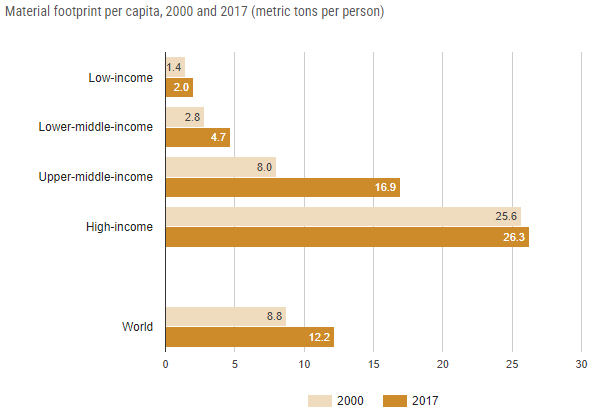
UN statistics reveal that the global average material footprint per capita has risen from 8.1 metric tons of natural resources in 1990 to 12.2 metric tons in 2017. That footprint in high-income countries like NZ was 13 times the level of low-income countries. Clearly it is possible to downsize our footprint.
But don’t get guilt-tripped by industry lobbyists into mining our conservation lands to supply minerals for the world’s renewable energy transition. It would be far smarter and more ethical for NZ to invest strongly in research and development of innovative solutions, such as in the 4Rs: reduce, replace, reuse and recycle, and to support Pacific nations in climate resilience.
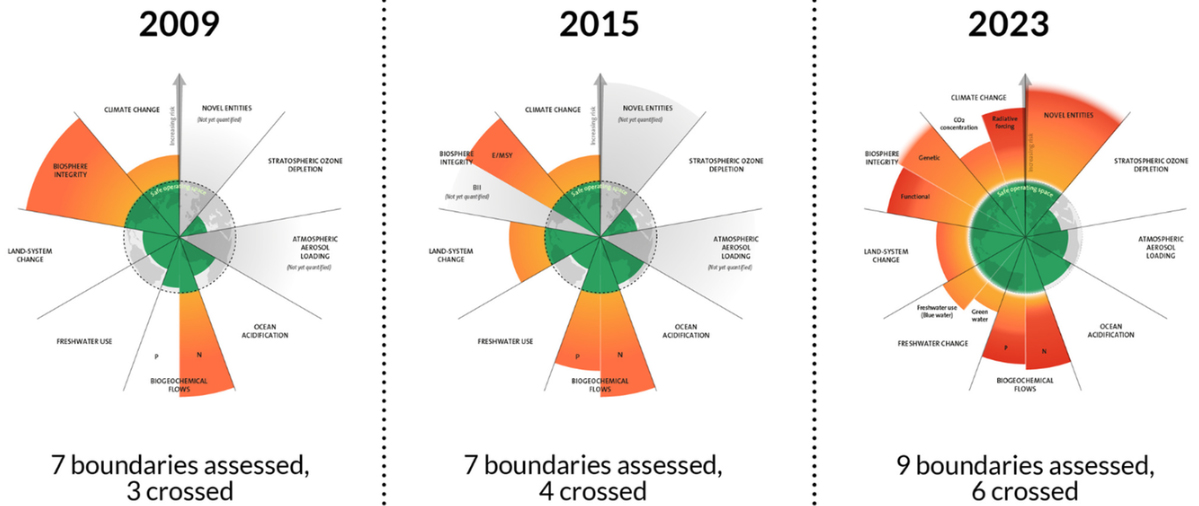
The truth is there are real biophysical limits that restrict how much natural resources we can extract, consume and pollute. Of the nine planetary boundaries, six have already been overshot, climate change is only one of them, biodiversity loss is another.
Even if it is possible, trying to replace all fossil fuel energy with renewables to satisfy our desires for ever more stuff will destroy the biosphere that sustains us, our co-inhabitants and our economy. Living within our means is an imperative.
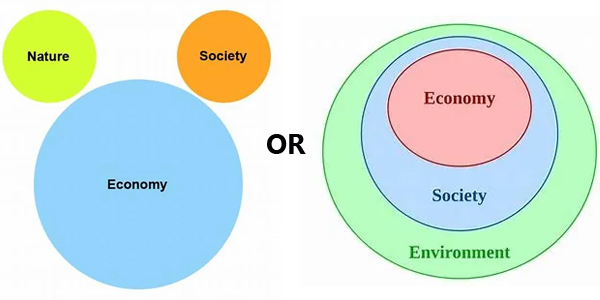
In Taranaki, we have a shining example of what communities can give to restore nature and thrive in it. The popular Rotokare Scenic Reserve is a lifeboat for threatened species like tīeke/saddleback and hihi/stitchbird in a regenerating wetland ecosystem. Each year Rotokare kiwis are taken to repopulate Taranaki Mounga and elsewhere. There are numerous conservation lands across Aotearoa that have the potential to do the same, if protected from mining and other destructive projects.
Embrace a regenerative caring economy.


Media coverage:
A slightly edited version of this, titled Fast-track hijack will have real costs and spurious benefits was published in the Taranaki Daily News (TDN) on 20 June 2024.
Hysteria activism: Protesters benefit from the very resources they oppose extracting, TDN 21 June 2024
Bite back on Brown’s ‘nimby’ return volley return on seabed mining, TDN 24 June 2024
 Climate Justice Taranaki