Catherine Cheung is an ecologist and researcher for Climate Justice Taranaki
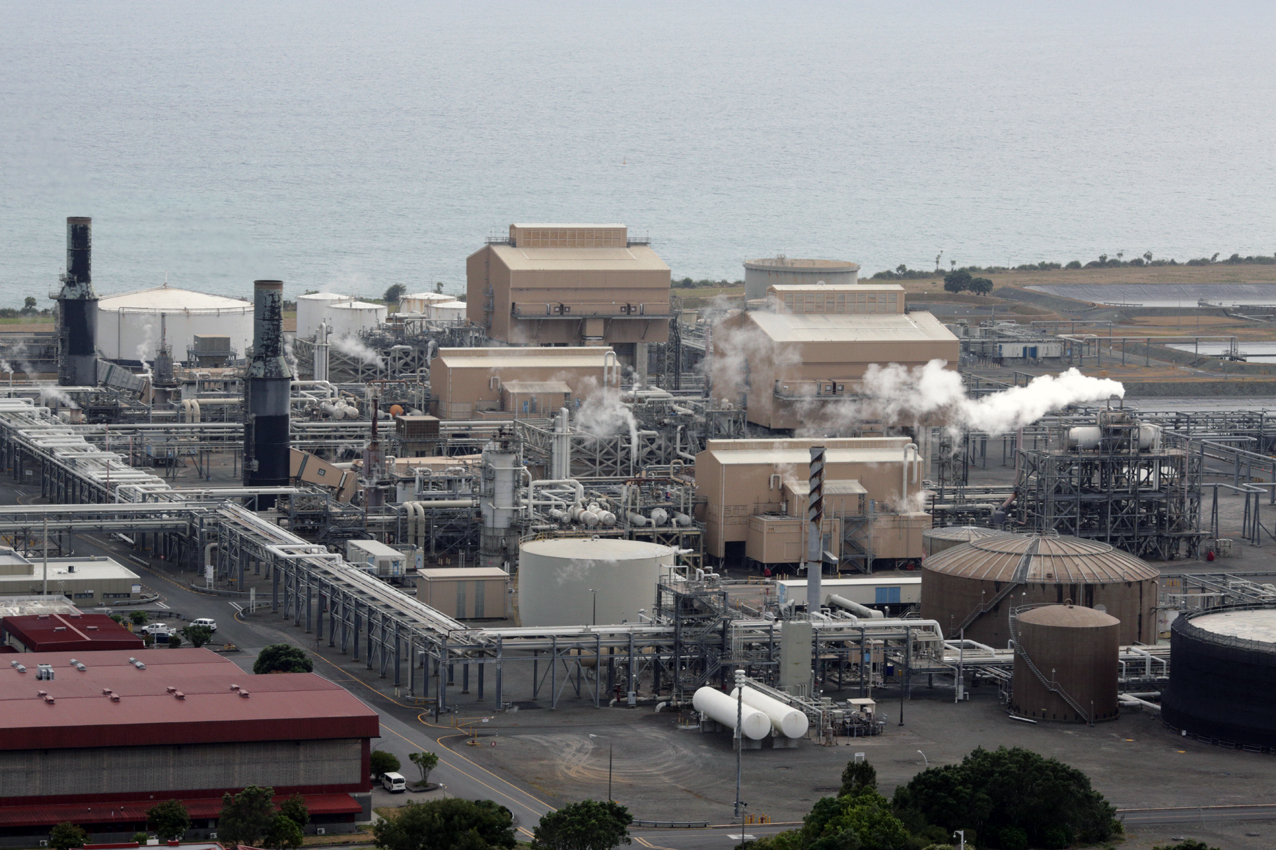
OPINION: Earlier this week New Plymouth mayor Neil Holdom complained about Government policies “fluctuating to the short-term rhythm of electoral cycles”.
It is true that the coalition Government reversed the 2018 offshore oil and gas ban, along with dozens of other legislations and policies including the Resource Management Act reform and Emissions Trading Scheme amendments that the previous government put in place.
The mayor is upset that “Kiwi businesses are now facing energy rationing”. But none of the three companies he mentioned is NZ owned. Energy rationing, however, is a logical way forward, like any rationing in times of war or other crises.
Let’s face it, we are amid climate, ecological and social crises.
Here is an analogy: A severely obese patient Bob goes to see his doctor. Bob has high blood pressure, type 2 diabetes, osteoarthritis and obstructive sleep apnea. The medical term for having coexisting health condition is “comorbidity”.
Bob loves eating, especially fat burgers, fried chicken and lollies. Over the last two decades, his daily calorific intake has doubled. The doctor says: Continue to eat as much of whatever you like, have more greens too, don’t worry about exercising, just take these six pills every day. If you don’t feel better, come back and I’ll up the dose, try a new medication and maybe consider a novel surgery.
Humanity on this planet is like Bob. Our global life support system is very sick.
Its atmosphere and oceans are heating up causing havoc, rivers are polluted, seas are clogged with plastics and acidifying, most wetlands and forests are gone, more species are going extinct than ever, social inequality continues to be rife and there are looming geopolitical risks. “Polycrisis” is the near-equivalent of “comorbidity”.
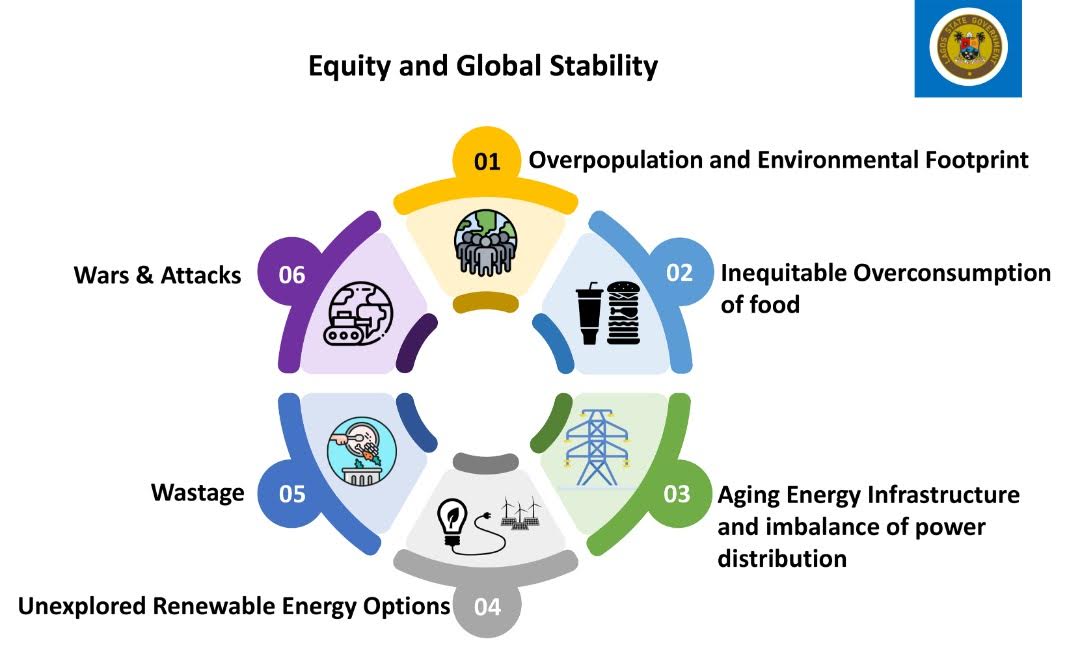
Lured by the promise of neo-liberal “trickle-down” economics, most people are on the treadmill of work and consumption. Global energy consumption has increased 540% since 1950, nearly all due to fossil fuel use.
Governments, industries and just about everyone else says we need more energy to grow the economy. The coalition Government says let’s double the wind turbines and solar farms, make sure we keep fossil gas flowing, just capture the carbon and pump it into the ground, never mind who’s liable when it leaks. Agriculture is good for the economy, so let’s keep the cows, invest in a methane vaccine and other techno-fixes. Plant more pine trees to suck up some carbon and if nothing works, just pay a far-flung country to offset our incompetence.
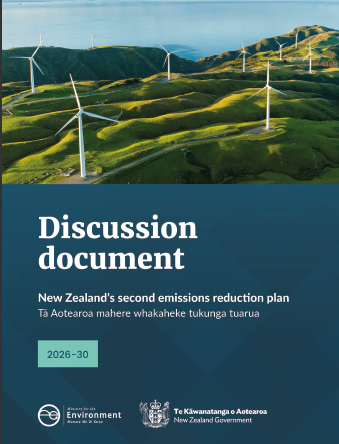
Such is the crux of the Government’s Second Emissions Reduction Plan. It seems our mayor is a big fan. [Note the 2nd ERP consultation has been extended till 25 August. Climate Club has this helpful submission guide]
The sad thing is I can’t see a positive prognosis for Bob, the planet or Aotearoa the way they are managed.
To add insult to injury, the chief executive of Energy Resources Aotearoa (ERA), representing the fossil fuel industry and energy intensive businesses, now wants fast-tracking of new oil and gas exploration. If ERA has its way, literally adding more fuel to the fire, the situation will be even more dire, given the Government’s recent slash of budgets and jobs at WorkSafe and the Environmental Protection Authority.
Our mayor proclaimed, “Our energy sector is under severe duress…” But how so, when the “gentailers” are profiteering billions from scarcity? Who is really under duress? In 2022, 110,000 households could not afford to keep their home adequately warm. In effect, they have been rationing their energy use, so they can pay for rent, food, medicine and children’s needs. But this is not the sort of rationing we want. It is unkind and unfair.
Our current electricity market incentivises the continual burning of fossil fuels because that keeps the price high for all generators. The Government, with a majority stake in three of the four “gentailers”, also profits from the high price. It is unfair and unwise.
What we need is an overhaul of the electricity market, so that power is affordable, sustainable and resilient.

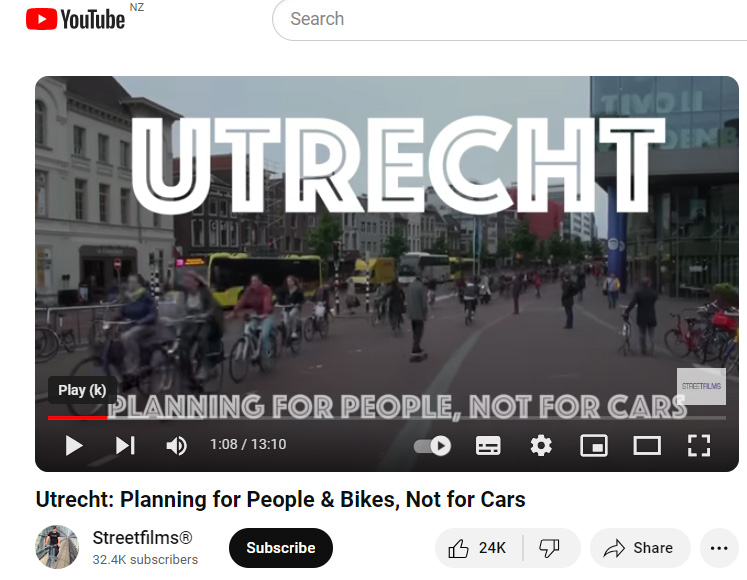
Energy hardship will become a thing of the past while frivolous energy use will become prohibitively expensive. NZ will no longer be the fourth worst in domestic aviation emissions because of a much-improved rail network and ferry services. You and I will opt to walk, bike or take the bus because our cities are designed for us rather than for cars. Schools and hospitals will be off the gas, providing a healthier environment for the kids, patients and workers. The solar panels on school buildings will generate surplus power through the holidays and share it with nearby homes and grocery stores through smart microgrids. School lunches will be free and largely plant-based, grown mostly in nearby farms and orchards that once were cow paddocks.
More in tune with nature and as close-knit communities, Aotearoa will thrive with little desire to grow energy or material consumption.
That is a much brighter prognosis.
Published in Taranaki Daily News, 15 August 2024
 Climate Justice Taranaki